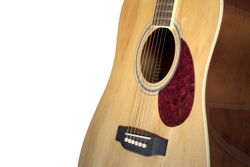
The Body is the largest part of the guitar. Depending on the type of guitar, the body of the guitar can be either hollow (Acoustic Guitar) or one solid piece of wood (Electric Guitar). The “top” of the body of the guitar is one of the two places where where the strings are fastened to the guitar.
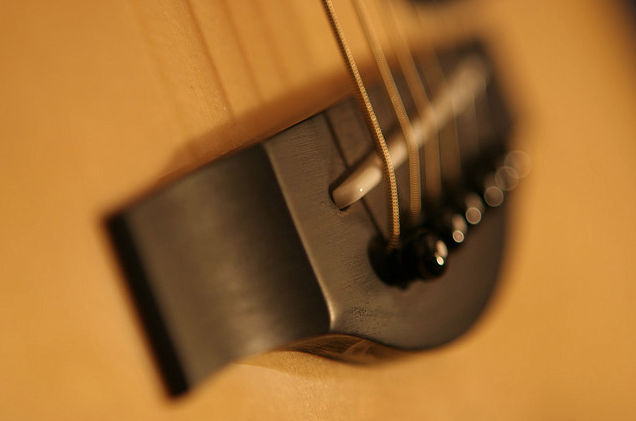
The Bridge is the part if the guitar where the strings are attached to the body of the guitar. On acoustic guitars, the bridge tends to be made of woods, and on electric guitars the bridge tends to made from metals.
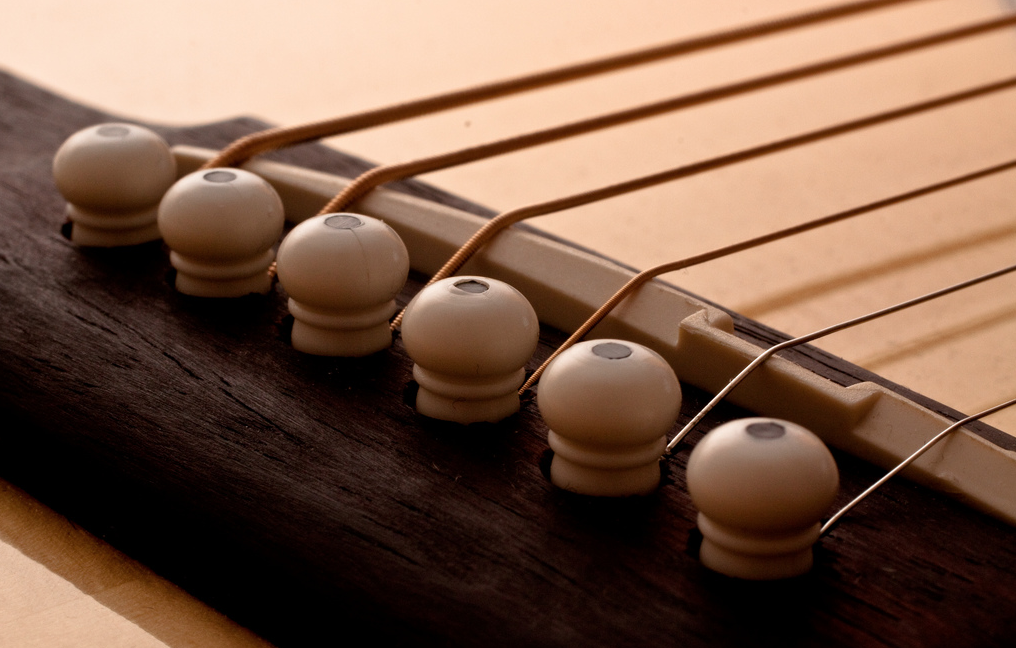
Bridge Pins are the pegs that fasten the strings of the guitar into the bridge. They generally have a grove on one side, which is used to secure the ball end of the string against the inside of the bridge. Bridge pins are generally only found on acoustic guitars and can be made of a variety of different types of materials, such as plastic, bone, ebony, ivory
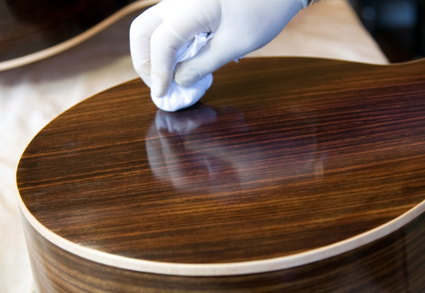
French Polish (fr??n? p??l?
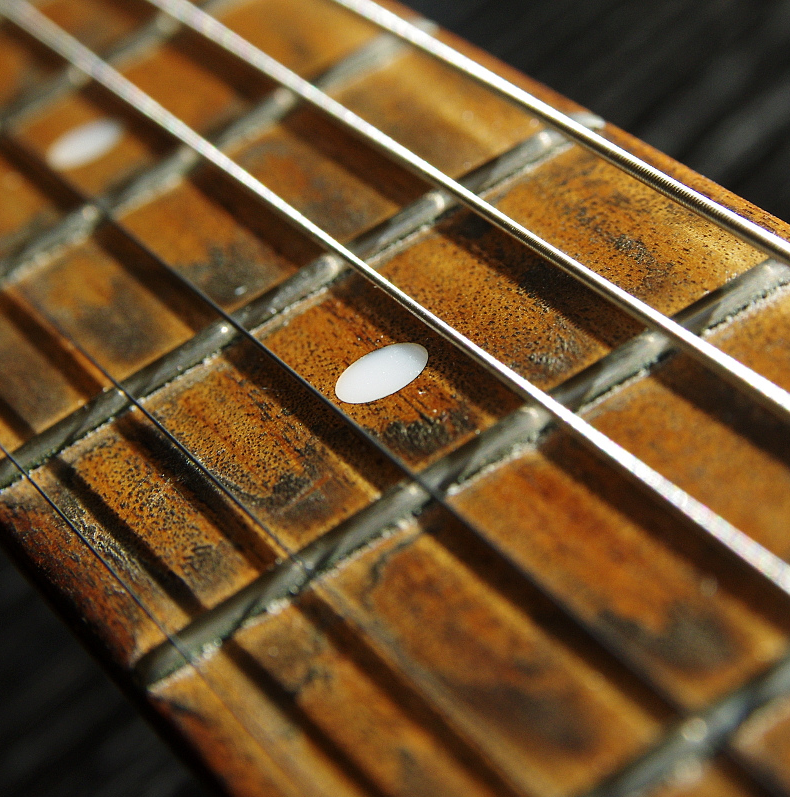
The Fretboard (fr??tb??rd), also known as a fingerboard, is the part of the guitar used to change the tones made by plucked or strummed strings. Located on the front of a guitar’s neck, fretboards are generally made of rosewood but can be made from a variety of other woods.
As the length (and thickness) of the string is what determines its tone, pressing a vibrating string against the frets laid into the fretboard changes the effective length of the string being played. This is how the tone of a string is changed.
A fretboard is common to almost all stringed instruments, not all of which are fretted. Most guitars, both electric and acoustic, have at least twenty two frets on their fretboard. Only twelve frets are actually needed at a minimum, because that is the number needed to produce one full octave per string.
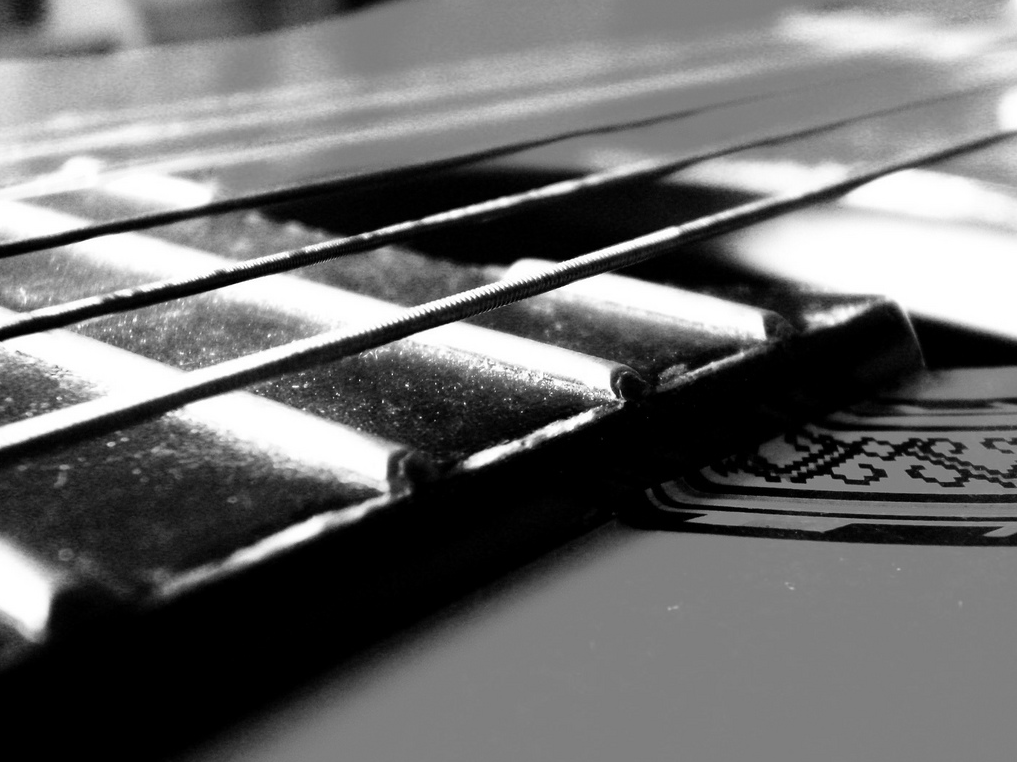
The Frets are the thin metal bars laid on top of the fretboard. Most guitars have between 18 and 24 frets. A guitar player “frets a note” when he/she presses a string against a fret while the string is vibrating. The shorter the vibrating length of a string being played, the higher the pitch made from that string.
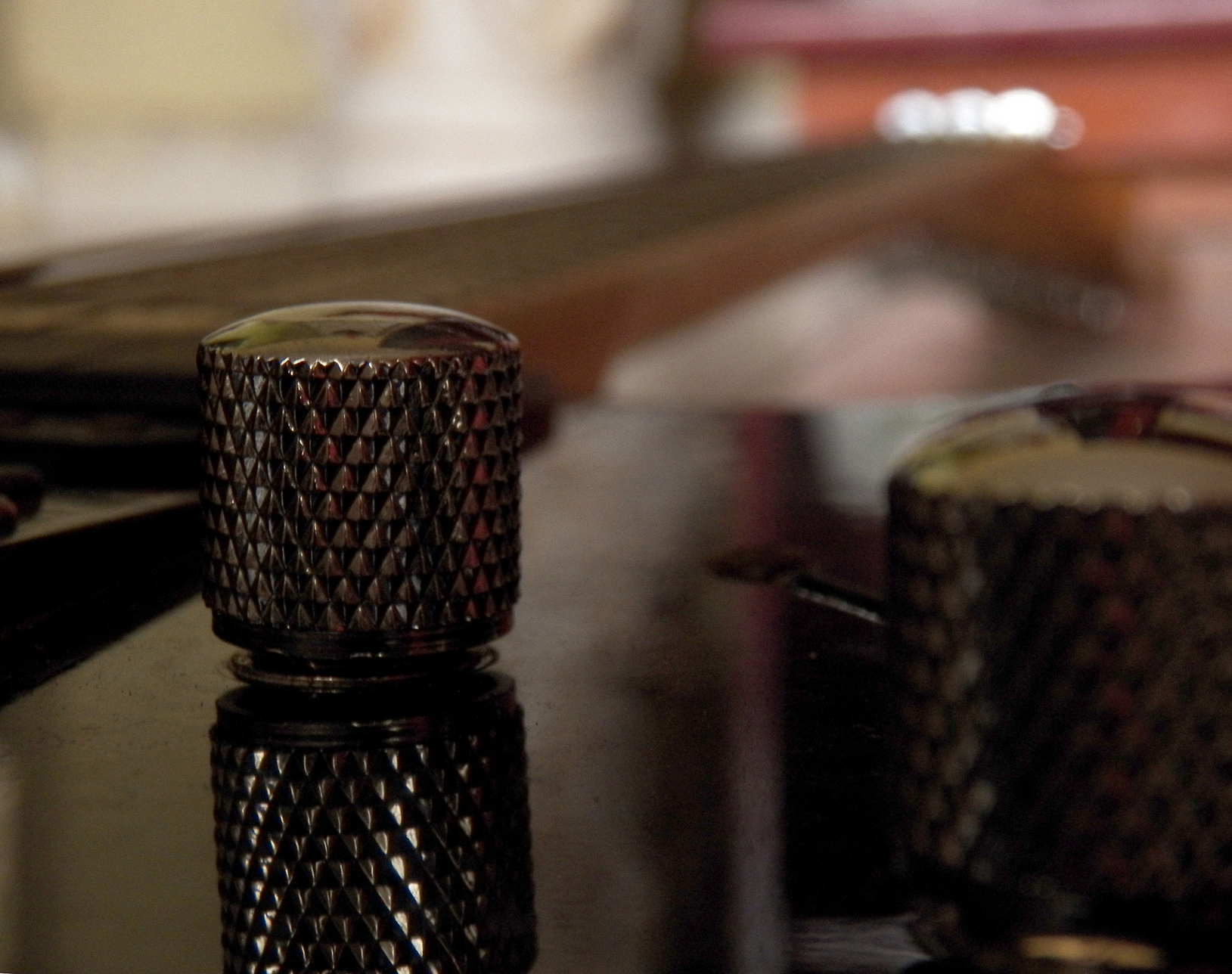
Gain (g
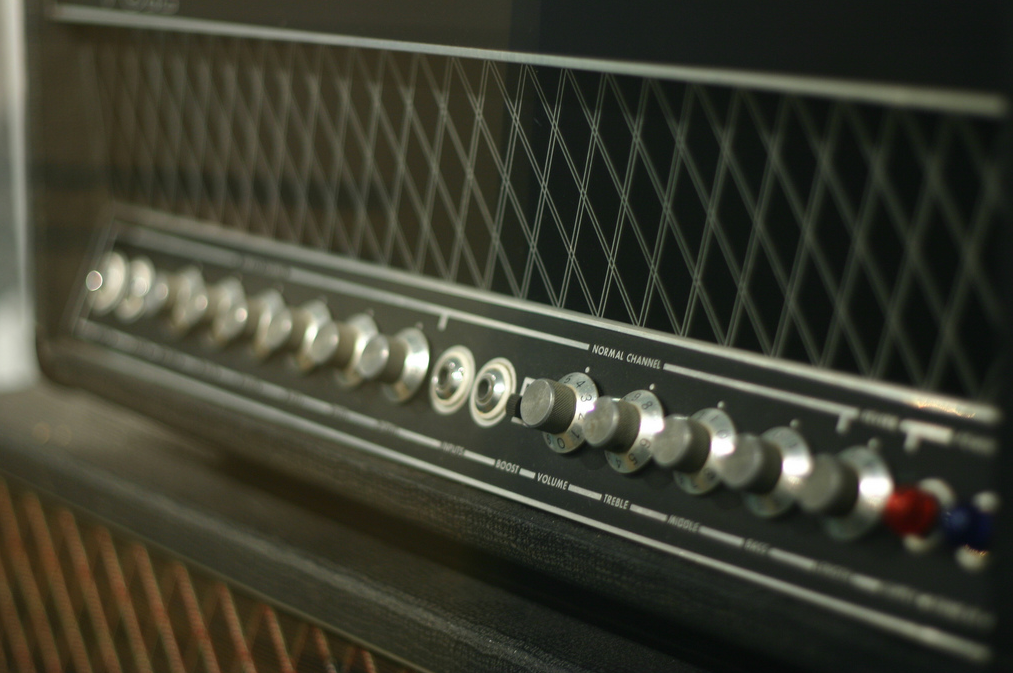
The Head (h??d) of an Amplifier refers to a stand-alone portion of a guitar amplifier setup, which contains the pre-amp and power amplifier sections, but not speakers. An electric guitar is plugged into the wood or metal-enclosed head, which in turn is plugged into the speaker cabinet. The head is responsible for the preamp stage of the guitar signal, which usually contains controls for gain and tone, which then feeds into the power amp stage, which is responsible for volume output to the speakers.
The head is usually placed above one or two stacked speaker cabinets. This configuration is referred to as a “half-stack” or “stack”, as opposed to a “combo” amplifier which contains the pre- and post-amp, including a speaker(s), within a single cabinet.
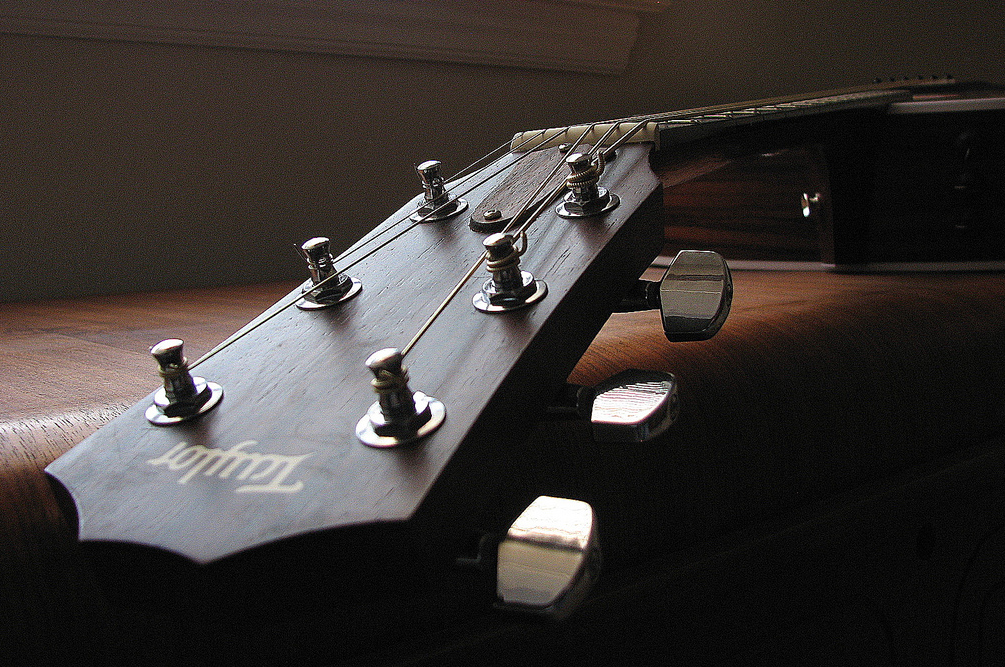
The headstock (headstock) or “head” of the guitar is the part of the guitar located at the very end of the instrument
Watch short & sweet videos (5-10 minutes) that will actually teach you something useful.
Learn from masters level musicians with a minimum of 15 years full-time teaching experience.
Get anytime access to guitar instruction your computer, tablet & mobile device!
Master basic guitar fundamentals, chords, scales & your favorite styles of music or song.
We do everything we can to make our members Happy! That includes our 30 day, no-questions-asked, money-back guarantee.
Be heard. We love questions & lesson requests. New articles & videos publish constantly.


