
A Rest Stroke (r??st str
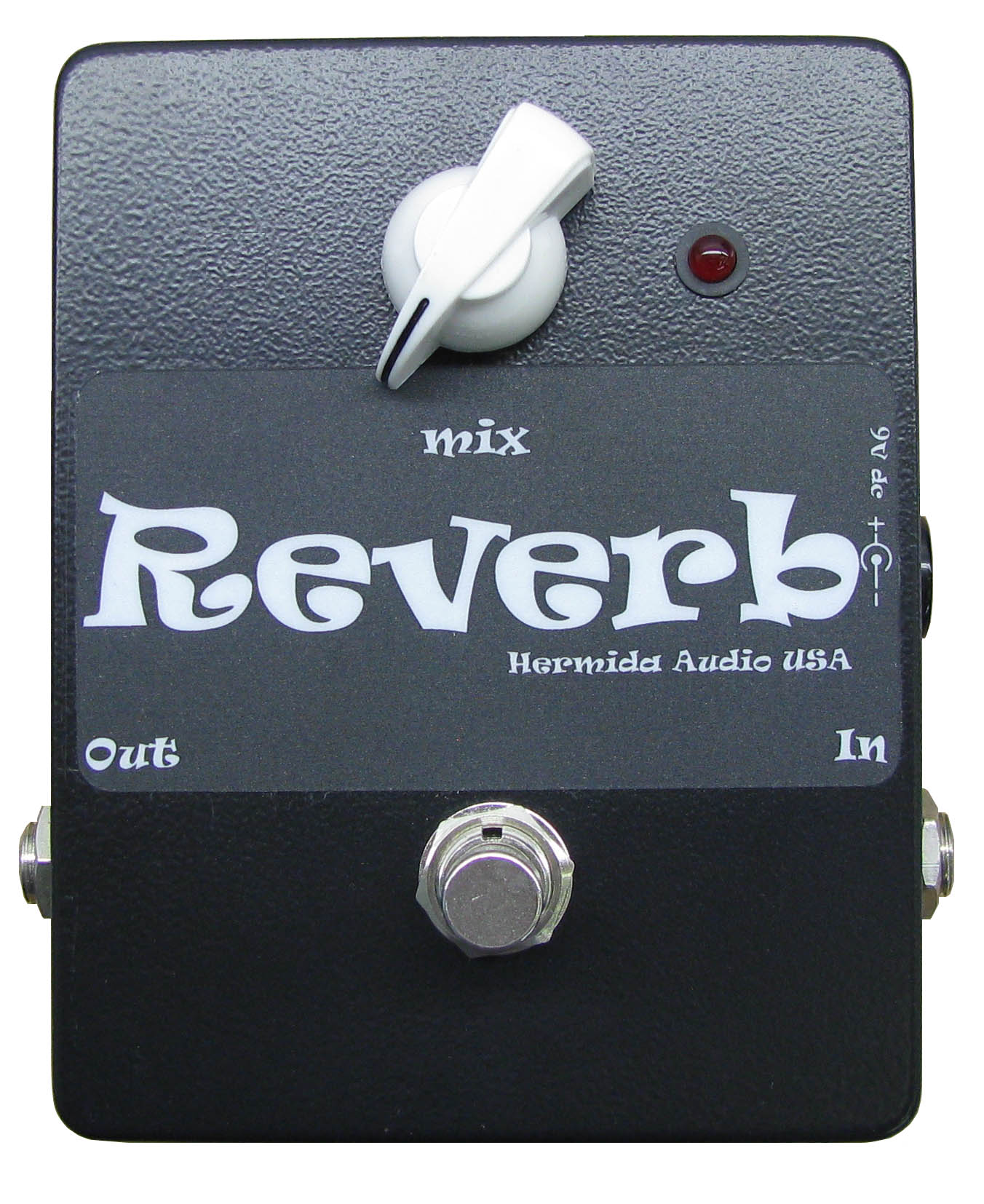
The Reverb (ree – vurb) effect, short for “reverberation”, is a common effect often used to create “bigness” or to facilitate the illusion of a guitar’s tone being engineered in an environment in which it is not. This effect is used to replicate the sound created by when playing the guitar in a variety of environments, such as a chamber hall, an arena or a jazz club.
There are many sound devices which are made to simulate reverb effects of many situations. Reverberation effects are based on processing exact duplicates of the sound wave of a guitar between 50-100 ms after the original sound was made, a phenomenon also known as a delay, flanging or an echo.
The Romantic (romǽntɪk) period of classical music started around the year 1830 and lasted until around the year 1900. The Romantic period’s composers feature the famous Tchaikovsky, as well as Brahms and Verdi. This period of classical music was centered around embracing your passionate and emotional side, giving it it’s name, the Romantic period. The […]
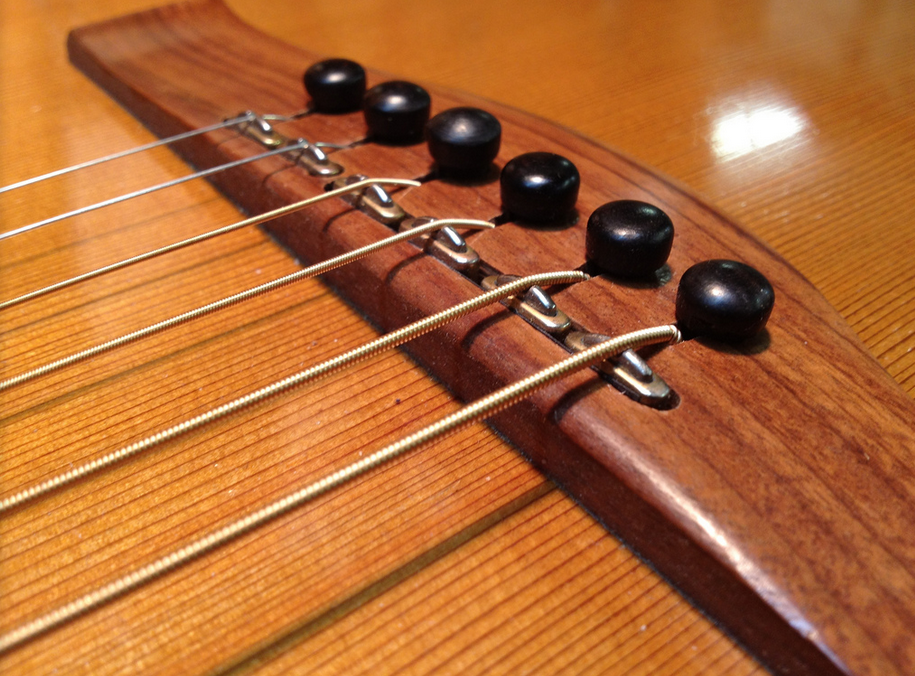
The Saddle (s?d?l) is the part on the body of the guitar that stops a plucked string from vibrating. On most guitars, the saddle is laid into the bridge and is used to change the angle of the string. On acoustic guitars, the saddle can be made of a single piece of bone, plastic, or artificial materials, like Micarta or Tusq. On most archtop guitars, the saddle is made either of wood or metal, such as brass. Modern electric guitars will usually sport individual steel, aluminum, or brass saddles.
Some guitars come with a 2-part or “split saddle”, which means that there are an extended break points carved into the saddle for the 1st and 2nd strings. This allows for using a variety of light or heavy string gauges to be used without concerns that the guitar will not play in tune higher up the neck.
Scales (sk
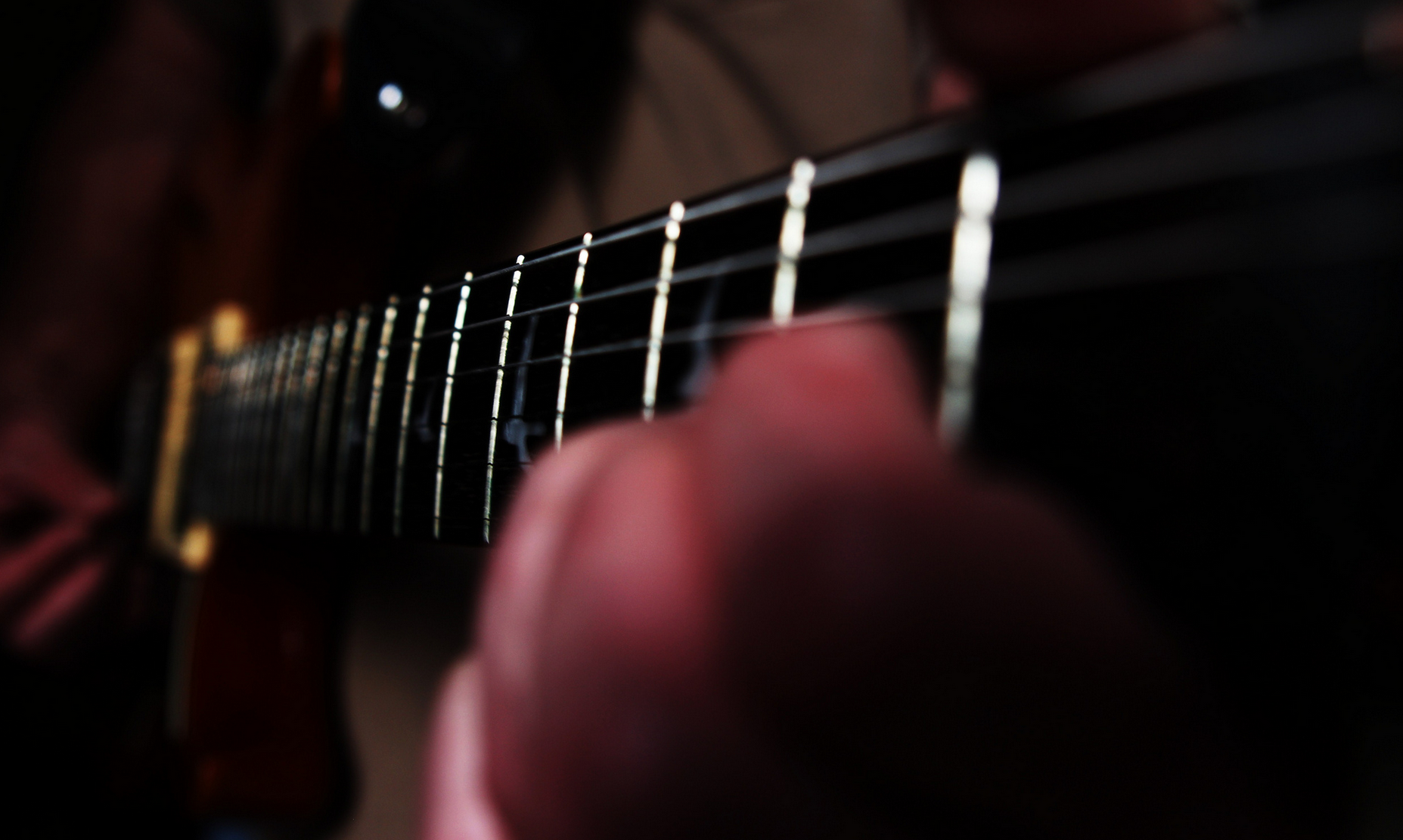
Shredding (?r?d?? ) is a term used to describe a method of guitar playing in which the musician executes major, minor, and pentatonic scales in a lighting fast fashion. The musician moves his hand from the bottom of the neck (the lower tones) to the top of the neck (the higher tones) as quickly as he/she can to play the full range of notes available on the neck. Shredding usually it ends with a faster than normal vibrato with the use of the tremolo, or ‘whammy’ bar. Typically, this style of playing is not found in old school rock, but is widely seen in metal.
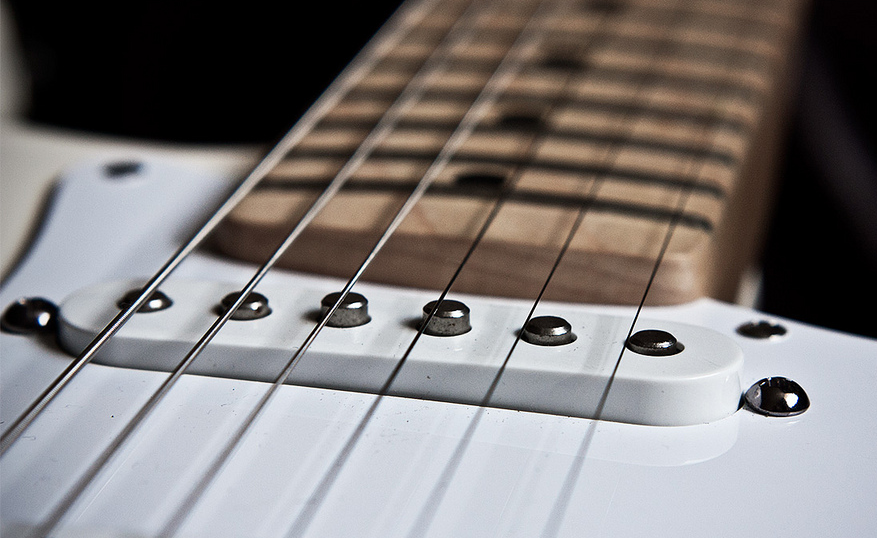
Single Coil Pickups (s???g?l k??yl p??k??ps) are a set of magnets that are wound with copper wire to act as transducers of sound that feed a guitar’s signal to an amplifier. Different than double coil pickups, which which have two coils with opposite polarities to reduce electrical and are known as “humbuckers”, single coil pickups are known for their bright and clean tones.
The first pickups were added to steel string guitars were single coil pickups. Known as the Gibson “Charlie Christian” pickup, the Gibson P-90 pickup was a fat sounding single coil that could simultaneously deliver clear highs.
The sound of single coil pickups are most epitomized by the more modern Fender guitars. From the bell like bite of the Telecaster, the smoother and more versatile Stratocaster to the mellower Jazzmaster Leo Fender’s single coil pickup design is the most popular single coil pickup for the modern guitar player.
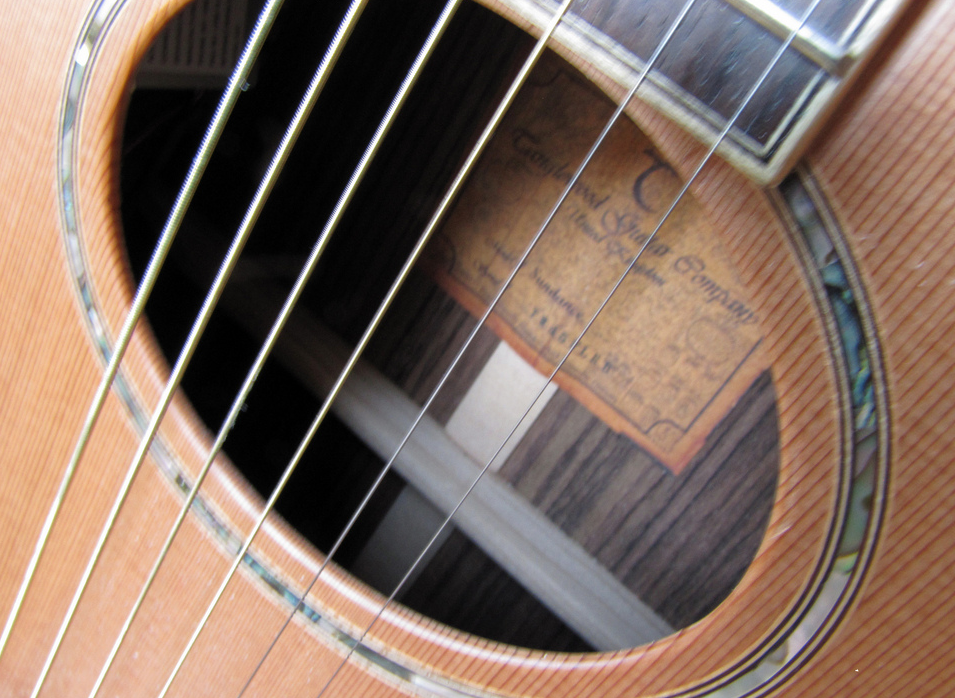
The Sound Hole (s
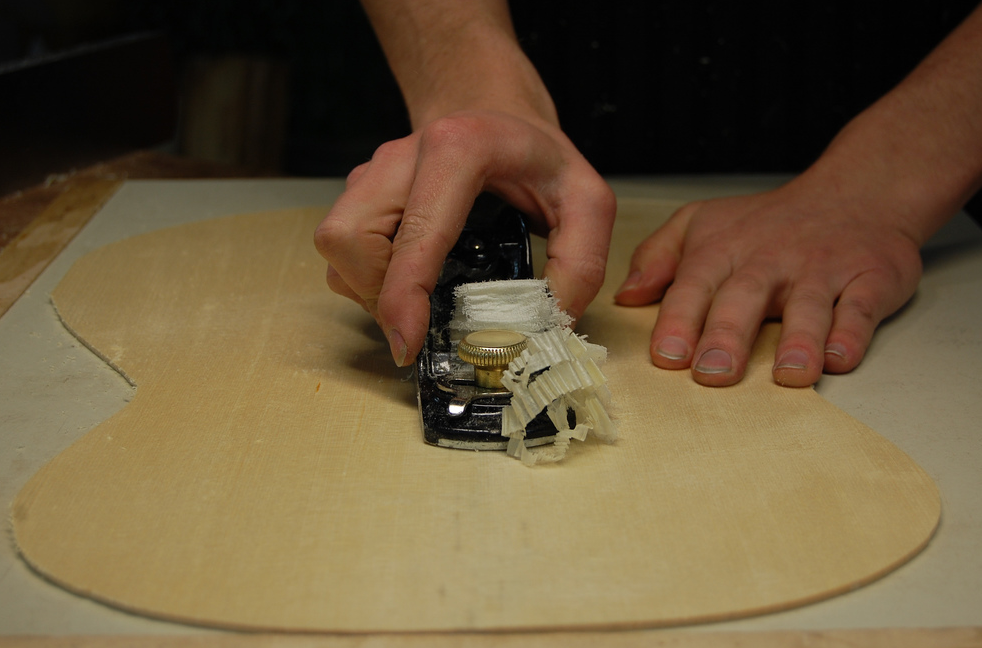
The Sounding Board (s
Watch short & sweet videos (5-10 minutes) that will actually teach you something useful.
Learn from masters level musicians with a minimum of 15 years full-time teaching experience.
Get anytime access to guitar instruction your computer, tablet & mobile device!
Master basic guitar fundamentals, chords, scales & your favorite styles of music or song.
We do everything we can to make our members Happy! That includes our 30 day, no-questions-asked, money-back guarantee.
Be heard. We love questions & lesson requests. New articles & videos publish constantly.


